
Job Sites Cleared Between Project Phases
Construction Debris Removal in Austin for contractors managing drywall scraps, wood waste, and scrap material buildup during active projects
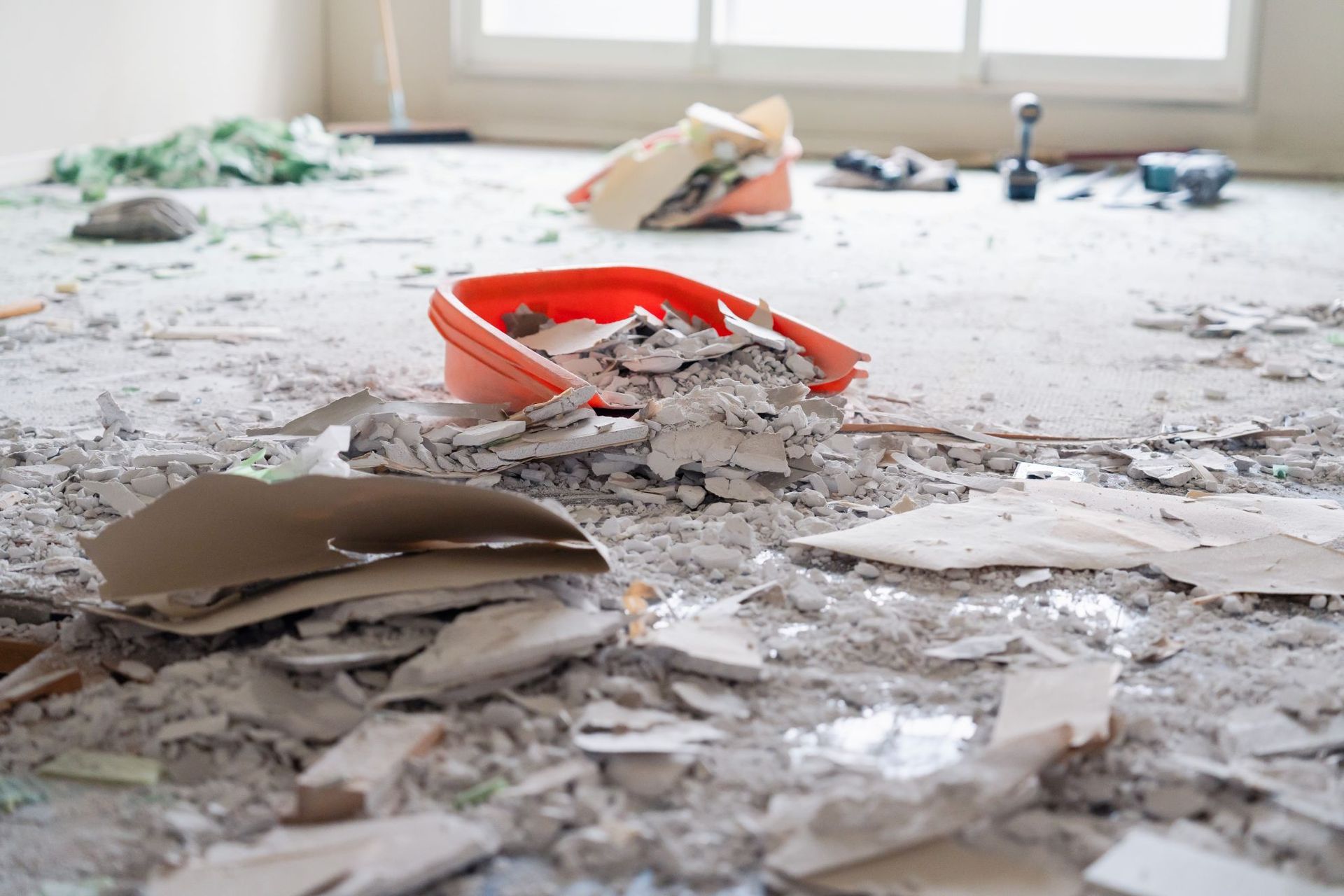
Drywall dust piles up in corners, cut lumber blocks walkways, and scrap metal clutters staging areas as construction progresses. The crew at Gunk & Junk Solutions removes construction debris from active and completed job sites in Austin, hauling away everything from framing offcuts to demolished cabinetry. Contractors regain usable workspace, reduce tripping hazards, and keep projects moving without dedicating labor hours to debris management.
This service handles both one-time post-project cleanups and ongoing pickups scheduled around framing, drywall, and finish work phases. The process involves loading trucks with bagged debris, bundled scrap wood, metal remnants, and packaging materials, then transporting everything to appropriate disposal or recycling facilities. General contractors, remodelers, and subcontractors use this to maintain OSHA-compliant job sites and avoid fines for debris accumulation in residential neighborhoods.
Arrange an on-site visit to determine pickup frequency and debris volume estimates for your project timeline.
How Debris Pickup Supports Contractor Schedules
Pickup timing is coordinated with project milestones—after demolition wraps, once framing is complete, or before final inspections. The crew arrives with the equipment needed to handle bulk materials like full drywall sheets, bundled studs, and compacted insulation waste. Debris is sorted on-site when possible, with metal and wood separated for recycling to reduce landfill fees.
After pickup, staging areas and work zones are clear enough for the next trade to begin work without delays caused by navigating piles of scrap or repositioning materials. Gunk & Junk Solutions handles the hauling and disposal logistics, so contractors avoid multiple dump runs and lost billable hours. Scheduling flexibility allows for same-day or next-day service when unexpected debris volumes arise during teardown or renovation work.
The service includes safe removal of standard construction waste like drywall, lumber, flooring, and fixtures, but does not cover hazardous materials such as asbestos, lead paint, or chemical waste, which require licensed abatement contractors. Concrete and dirt removal may incur additional fees based on weight and disposal site requirements.
Questions Contractors Ask About Debris Services
Contractors working on renovation and new construction projects in Austin need reliable debris removal that fits within project budgets and timelines. These questions clarify what's included and how scheduling works.
What types of construction debris are accepted?
Drywall scraps, wood framing offcuts, flooring remnants, metal studs, insulation, packaging materials, and demolished fixtures are all included. Concrete, dirt, and hazardous materials are handled separately.
How does ongoing pickup scheduling work?
Pickups are arranged around your project phases—weekly, bi-weekly, or after specific milestones like drywall installation or demolition completion. Scheduling adjusts as the project progresses.
Can the crew handle job sites with limited access?
Yes, debris is carried out from properties with narrow driveways, gated entries, or second-story work zones. The crew brings the equipment needed to navigate site-specific access challenges.
How is pricing structured for recurring pickups?
Estimates are based on debris volume per pickup and service frequency. Contractors receive flat-rate pricing that accounts for anticipated debris loads across the project timeline.
Does the service include sorting for recycling?
Metal, wood, and cardboard are separated when practical to maximize recycling and reduce disposal costs. Austin's waste diversion requirements make sorting beneficial for both environmental and cost reasons.
Gunk & Junk Solutions supports contractors across Austin with flexible debris removal that adapts to project demands. Request a quote based on your current project scope and expected debris volume.