
Heavy Appliances Hauled and Processed Properly
Appliance Removal & Recycling in Austin for homes and businesses disposing of refrigerators, washers, and other large units
When a refrigerator stops cooling or a dryer quits heating, the failed appliance often sits in a garage or on a porch because standard trash service does not accept it and hauling it requires equipment most homeowners do not have. Gunk & Junk Solutions removes large appliances from Austin properties, handling refrigerators, washers, dryers, stoves, dishwashers, and water heaters from homes or businesses. The service includes safe extraction of units from tight spaces, proper disposal of hazardous components like refrigerants, and recycling of metal and parts to reduce landfill volume and recover usable materials.
Appliances present unique disposal challenges because they contain refrigerants subject to environmental regulations, metals valuable enough to recycle, and weights that require two-person teams and dollies to move without damaging floors or doorways. Austin's climate accelerates appliance wear, particularly for cooling units running most of the year, and failed appliances accumulate faster in rental properties where tenant turnover leaves landlords managing repeated replacements.
Request a scheduled pickup to remove appliances that no longer function or have been replaced by newer models.
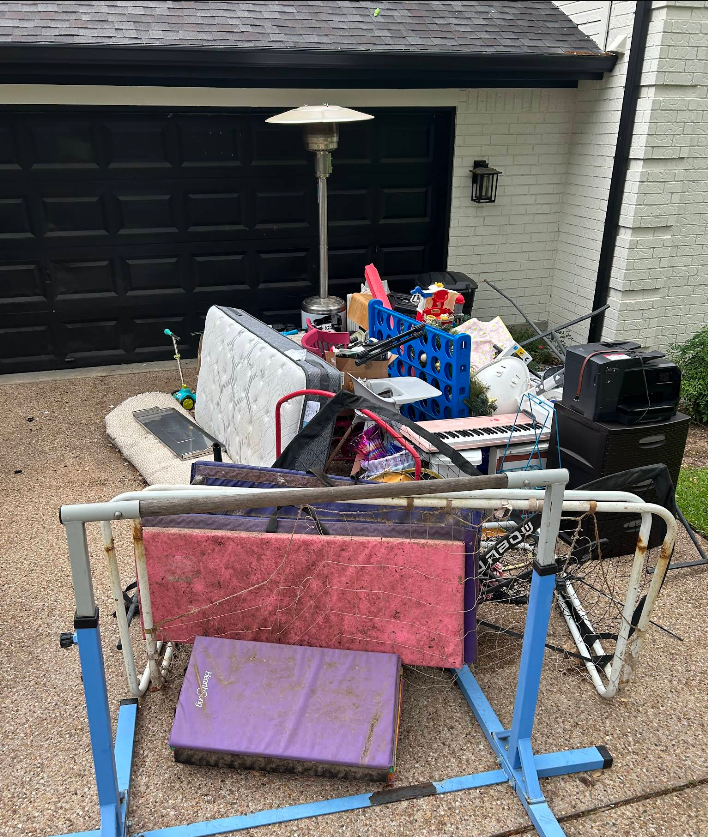
What Proper Appliance Disposal Requires
Appliance removal starts with assessing the unit's location, weight, and refrigerant status before disconnecting water lines, gas connections, or electrical hookups as needed. Refrigerators and air conditioners require refrigerant recovery before transport, a step that prevents illegal venting of substances regulated under environmental law. Heavy units are maneuvered using dollies and straps to avoid floor damage, and metal components are separated at recycling facilities to recover steel, copper, and aluminum rather than sending intact units to landfills.
After removal, your garage or storage area regains the space the appliance occupied, often for the first time in months, and you no longer navigate around a bulky unit that serves no function. The process eliminates the logistical problem of transporting something that does not fit in a standard vehicle and weighs several hundred pounds, and it ensures refrigerants and metals are handled according to environmental standards rather than guesswork.
This service separates environmentally responsible disposal from convenience-based dumping, directing hazardous components to appropriate facilities and recyclable materials to processing centers. Appliances picked up from businesses follow the same protocols, ensuring that property managers and commercial clients meet disposal requirements without dedicating internal resources to tracking down compliant facilities.
Answers to Frequent Appliance Disposal Questions
Appliance removal raises specific questions about refrigerant handling, recycling outcomes, and scheduling for heavy or awkward items.
What happens to refrigerants when a refrigerator or air conditioner is removed?
Refrigerants are recovered using specialized equipment before the appliance is transported, preventing environmental release and ensuring compliance with regulations that prohibit venting these substances, and the recovered refrigerant is processed separately from the appliance's metal components.
How are metals from appliances recycled after pickup?
Steel, copper, and aluminum are separated at recycling facilities and sent to processors that melt and reuse the materials in new manufacturing, reducing the need for raw material extraction and diverting hundreds of pounds of metal from landfills for each appliance processed.
Why does appliance removal cost differ from general junk pickup?
Appliances require refrigerant recovery, specialized handling for weight and size, and routing to recycling facilities rather than general disposal sites, so pricing reflects the additional labor and regulatory steps involved compared to hauling furniture or household debris.
How does the crew access appliances located in basements or upper floors?
Removal teams use dollies, straps, and two-person coordination to navigate stairs, tight hallways, and doorways without damaging walls or flooring, and they assess access routes during scheduling to confirm the unit can be extracted safely from its current location.
What should you disconnect before the crew arrives for appliance pickup in Austin?
Water lines, gas connections, and electrical cords should be disconnected if you are comfortable doing so, but the crew can handle these disconnections during removal if needed, ensuring safe shutdown before the appliance is moved and preventing leaks or electrical hazards during transport.
Gunk & Junk Solutions provides appliance removal and recycling for Austin properties dealing with failed or replaced units. Schedule a pickup to clear space and ensure environmentally responsible disposal of refrigerants and metals.